
Health Care Administration Degrees: Career Paths, Executive Salary, and ROI
Health Care Administration Degrees: Career Paths, Executive Salary, and ROI sets the stage for this enthralling narrative, offering readers a glimpse into a story that is rich in detail and brimming with originality from the outset.
Exploring the different facets of health care administration degrees, career paths, executive salaries, and return on investment opens up a world of possibilities in the healthcare industry.
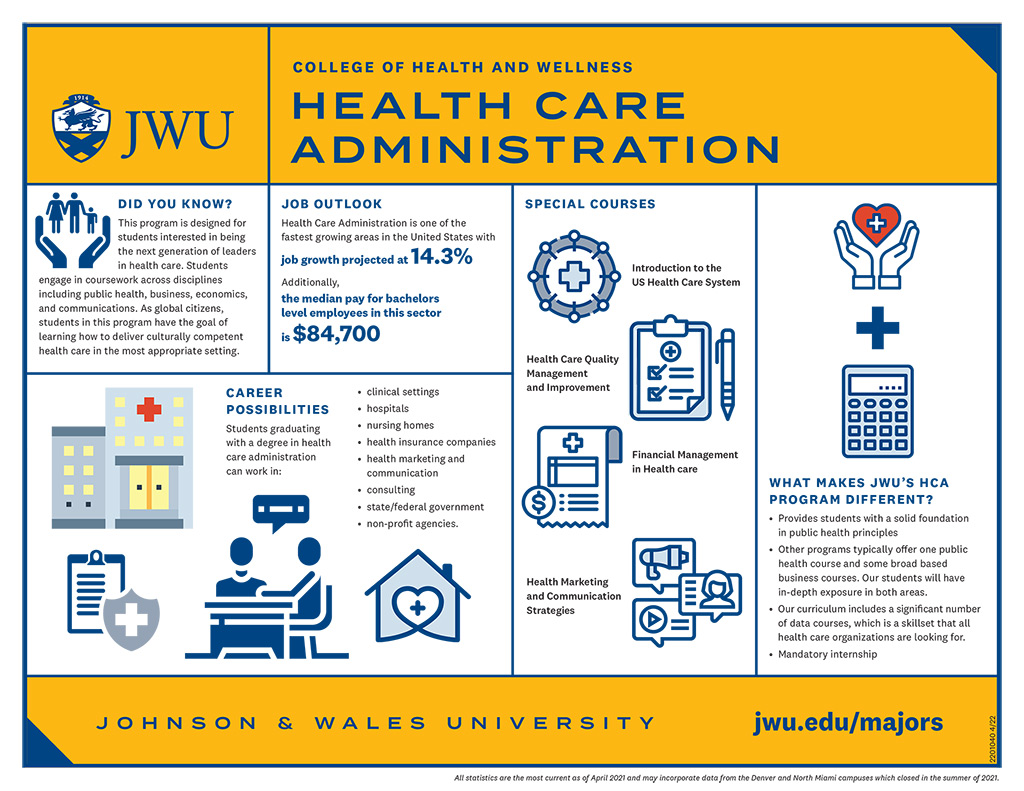
Health care administration degrees are designed to prepare individuals for leadership roles in healthcare organizations. These degrees provide a comprehensive understanding of healthcare systems, management principles, and the regulatory environment in which healthcare organizations operate.
Health care administration programs cover a wide range of topics to prepare students for leadership roles in healthcare organizations. Some common coursework includes:
Earning a degree in health care administration is essential for individuals looking to advance their careers in the healthcare industry. These degrees provide the knowledge and skills needed to effectively manage healthcare organizations, navigate complex regulatory environments, and drive positive change in the delivery of healthcare services.
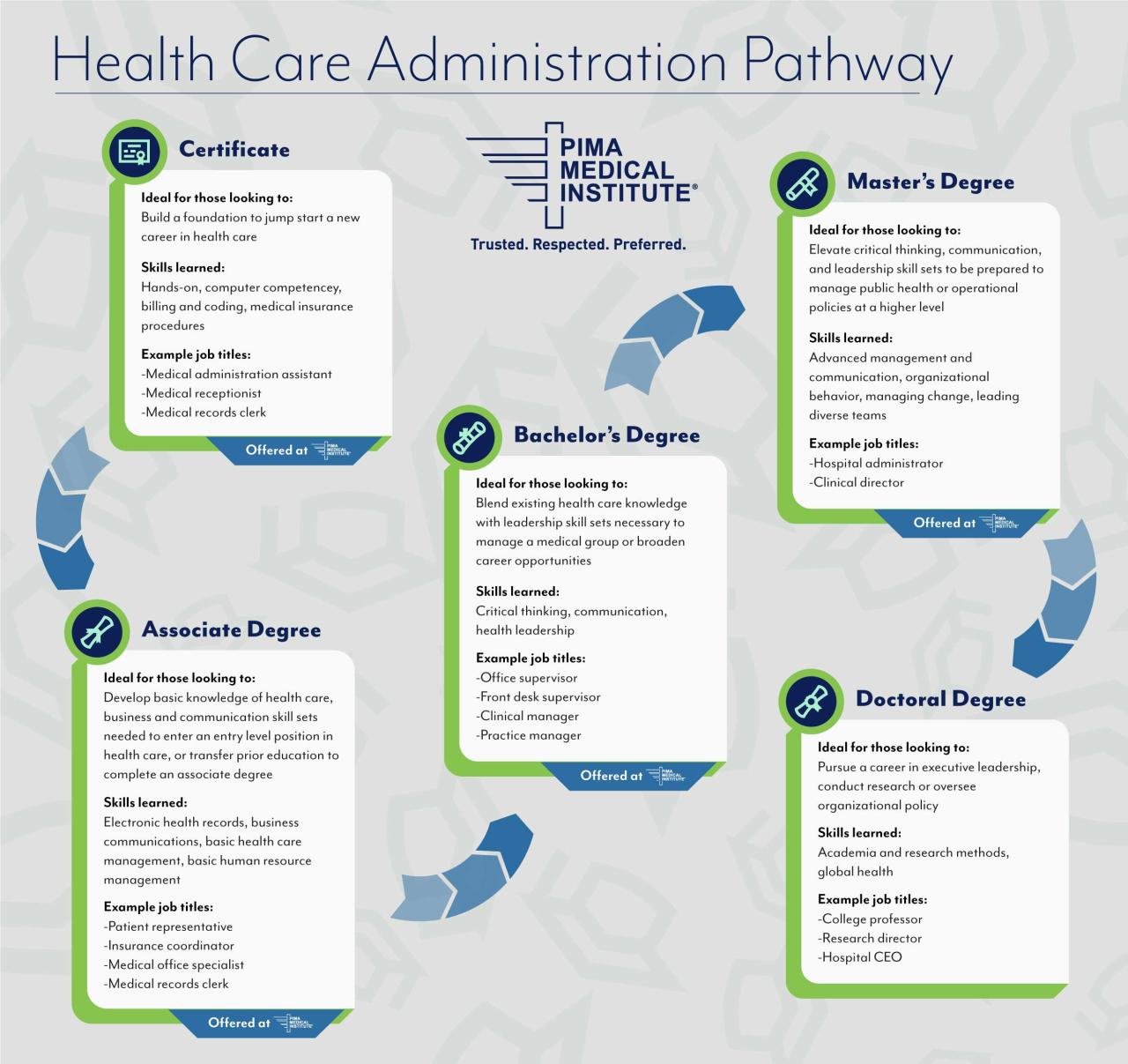
Health care administration offers a diverse range of career paths for individuals with the right qualifications and skills. Professionals in this field play a crucial role in managing and optimizing healthcare organizations to ensure efficient operations and quality patient care.
Hospital administrators oversee the daily operations of healthcare facilities, including managing staff, budgets, and patient care. They work to ensure compliance with regulations, improve efficiency, and enhance overall quality of care.
Clinic managers are responsible for the day-to-day operations of medical clinics, including staff management, financial oversight, and patient satisfaction. They work to ensure smooth workflow, efficient scheduling, and high-quality patient services.
Government health policy analysts work in public health agencies or government departments to analyze healthcare policies, regulations, and legislation. They provide insights on how to improve health systems, address public health issues, and ensure equitable access to healthcare services.
Health information managers are responsible for maintaining and securing patient medical records, ensuring compliance with data privacy laws, and managing health information systems. They play a critical role in organizing and safeguarding healthcare data for efficient patient care and decision-making.
Healthcare consultants work with healthcare organizations to provide strategic advice, improve operational efficiency, and implement best practices. They offer expertise in areas such as healthcare management, finance, and quality improvement to help organizations achieve their goals.
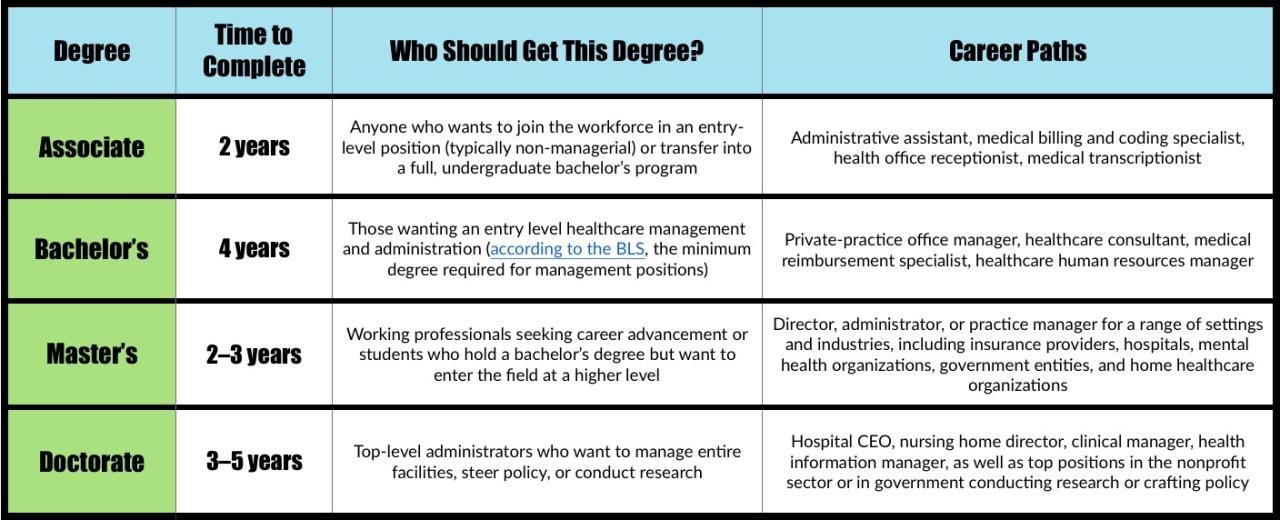
In the field of health care administration, executive salaries play a crucial role in attracting and retaining top talent. Understanding the average salaries for executives in health care administration roles, as well as the factors influencing these salaries, is essential for individuals considering a career in this field.
Investing in a health care administration degree can lead to a promising return on investment (ROI) due to the growing demand for skilled professionals in the healthcare industry. Individuals who pursue this degree can expect to see various financial benefits and career opportunities in the long run.
What are the different types of health care administration degrees available?
Health care administration degrees can range from undergraduate programs to graduate degrees like Master of Health Administration (MHA) or Master of Business Administration (MBA) with a healthcare focus.
What are some common career paths for individuals with a health care administration degree?
Career paths include healthcare executive, healthcare consultant, hospital administrator, health information manager, and more.
What factors influence executive salaries in the health care administration field?
Factors such as experience, level of responsibility, geographic location, and the type of healthcare organization can impact executive salaries.
How can individuals calculate the return on investment of pursuing a health care administration degree?
Individuals can calculate ROI by comparing the cost of the degree with potential career advancement opportunities and increased earning potential over time.