Best Insulated Siding for Homes: Costs, Benefits, and Energy Savings
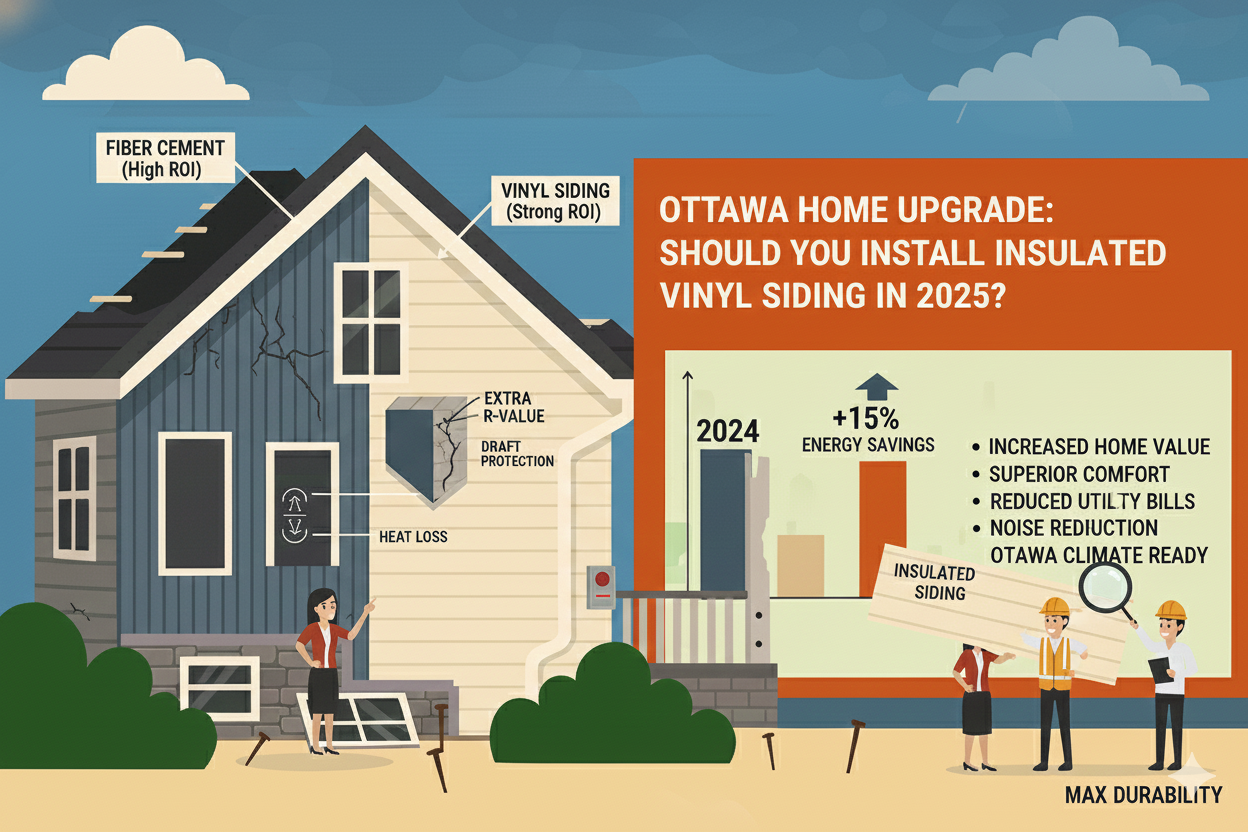
Insulated siding materials come in various types, each with its own set of advantages and disadvantages in terms of cost, benefits, and energy savings. It is essential to understand the differences between these materials to make an informed decision for your home.
Vinyl is a popular choice for insulated siding due to its affordability and low maintenance requirements. It provides decent energy savings by improving insulation levels. However, vinyl may not be as durable as other materials and can fade over time, requiring replacement sooner.
Fiber cement siding offers excellent durability and requires minimal maintenance. It provides good insulation properties, contributing to energy savings in the long run. Although fiber cement is more expensive upfront, its longevity and low maintenance costs make it a cost-effective option over time.
Wood siding has a classic look and adds warmth to a home’s exterior. While wood provides natural insulation, it requires regular maintenance to prevent rot and decay. The initial cost of wood siding can be high, and ongoing maintenance may increase overall expenses.
Engineered wood siding combines wood fibers and resin to create a durable and low-maintenance material. It offers better protection against moisture and pests compared to traditional wood siding. Engineered wood provides good insulation properties but may require painting or staining over time.
Aluminum siding is lightweight, easy to install, and resistant to fire and insects. It offers decent insulation but may not be as energy-efficient as other materials. While aluminum siding is durable, it can dent easily, affecting the overall appearance of the home.
Insulated siding can be a cost-effective solution for homeowners looking to improve energy efficiency and enhance the appearance of their homes. Let’s break down the key cost factors associated with insulated siding installation.
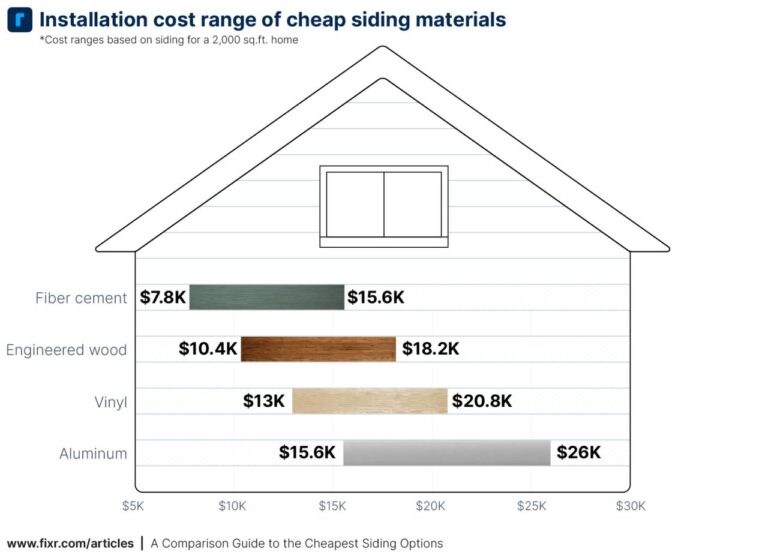
When it comes to insulated siding, the type of material used plays a significant role in determining the overall cost. Vinyl siding is typically more affordable compared to fiber cement or engineered wood siding. While vinyl may have a lower upfront cost, it is essential to consider the long-term durability and maintenance requirements of each material.
Fiber cement and engineered wood may have a higher initial cost but offer better longevity and require less maintenance over time.
Apart from the material cost, installation expenses also contribute to the overall cost of insulated siding. Factors such as the size of the project, complexity of the installation, and labor costs can impact the final price. Hiring a professional contractor to install the siding ensures proper installation and can help avoid potential issues in the future.
While the upfront cost of insulated siding may be higher than traditional siding options, the long-term savings associated with energy efficiency can offset the initial investment. Insulated siding helps improve the insulation of a home, reducing energy consumption for heating and cooling.
This can lead to lower utility bills over time, making insulated siding a cost-effective choice in the long run.
Insulated siding offers a range of advantages for homeowners looking to improve their properties. Not only does it provide enhanced energy efficiency, but it also contributes to a more comfortable indoor environment and adds to the overall curb appeal of a home.
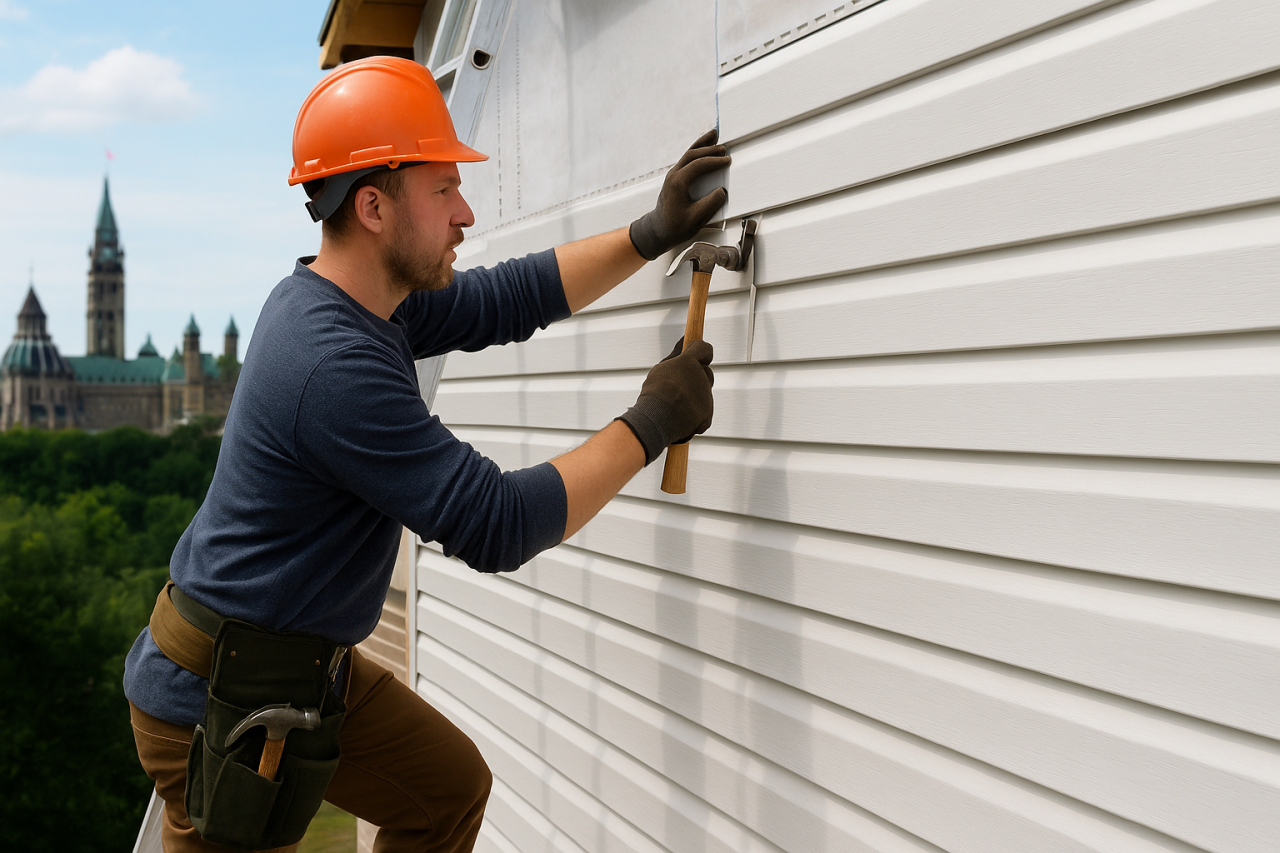
Insulated siding plays a crucial role in enhancing energy efficiency in residential properties. By providing an additional layer of insulation, it helps in reducing heat loss during winter and heat gain during summer, resulting in significant energy savings.
Insulated siding helps in maintaining consistent indoor temperatures by acting as a barrier against external temperature fluctuations. This means that your heating and cooling systems will not have to work as hard to regulate the indoor temperature, leading to lower energy consumption and reduced utility bills.
The use of insulated siding not only helps in reducing energy consumption but also has positive environmental impacts. By lowering the demand for heating and cooling, insulated siding helps in decreasing greenhouse gas emissions associated with energy production. This contributes to a healthier environment and a more sustainable future.
What are the different types of insulated siding materials available for homes?
Common types include vinyl, fiber cement, and engineered wood. Each material has its own set of advantages and drawbacks, so it’s important to choose based on your specific needs and budget.
How does insulated siding contribute to energy savings?
Insulated siding helps maintain consistent indoor temperatures, reducing the reliance on heating and cooling systems. This leads to lower energy consumption and cost savings over time.
What are the benefits of using insulated siding for homes?
Some benefits include improved energy efficiency, enhanced indoor comfort, and increased aesthetic appeal. Insulated siding also offers durability and low maintenance requirements.