Choosing the Right Private Healthcare Plan: Coverage, Waiting Periods, and Deductibles
Choosing the Right Private Healthcare Plan: Coverage, Waiting Periods, and Deductibles sets the stage for this enthralling narrative, offering readers a glimpse into a story that is rich in detail with casual formal language style and brimming with originality from the outset.
Private healthcare plans play a crucial role in providing individuals with access to quality medical services. Understanding the intricacies of coverage, waiting periods, and deductibles is essential for making informed decisions regarding one’s health and well-being.
Private healthcare plans offer individuals the option to access medical services outside of the public healthcare system. These plans come in various types, each offering different levels of coverage, waiting periods, and deductibles. It is essential to understand the different options available to choose the right plan that meets individual needs.
When assessing a private healthcare plan, it is crucial to consider the coverage it offers. Coverage can vary greatly between different plans, so it is important to evaluate your needs and priorities before making a decision. Below, we will detail the factors to consider when assessing coverage in a private healthcare plan, compare coverage options for routine care, emergencies, and specialized treatments, and describe how coverage for pre-existing conditions is handled.
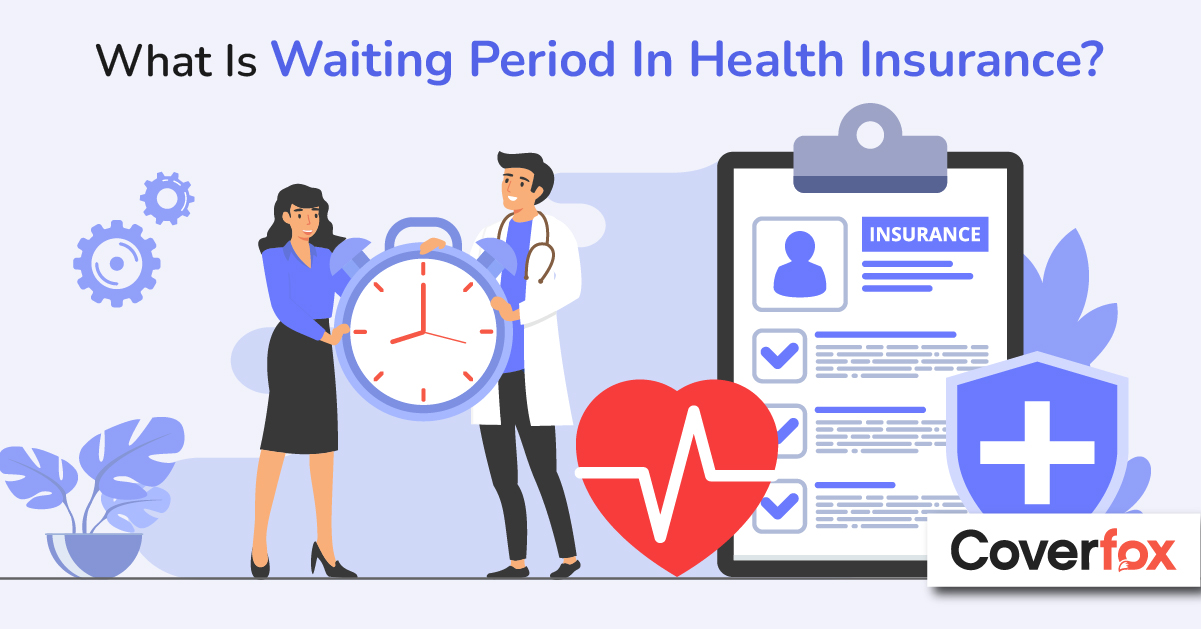
In private healthcare plans, waiting periods refer to the amount of time an individual must wait before they can access certain medical treatments or services covered by their insurance plan. Understanding waiting periods is crucial for managing healthcare needs effectively.

When it comes to private healthcare plans, understanding deductibles and out-of-pocket costs is crucial for managing expenses and choosing the right coverage. Deductibles play a significant role in determining how much you will pay for healthcare services before your insurance kicks in.
Let’s delve deeper into this important aspect of healthcare plans.
In private healthcare plans, a deductible is the amount of money you must pay out of pocket for covered services before your insurance starts to cover costs. For example, if your plan has a $1,000 deductible and you receive a covered service that costs $800, you will need to pay the full $800 until you reach your deductible.
Once you meet the deductible, your insurance will start sharing the cost of covered services with you.
The deductible amount you choose can impact your monthly premium and out-of-pocket costs. Generally, plans with higher deductibles have lower monthly premiums, while plans with lower deductibles have higher premiums. It’s essential to strike a balance based on your healthcare needs and budget.
Consider how often you anticipate needing medical care and weigh that against the cost of premiums and potential out-of-pocket expenses.
What factors should I consider when choosing a private healthcare plan?
When selecting a private healthcare plan, it’s essential to assess coverage options, consider waiting periods, evaluate deductibles, and understand out-of-pocket costs.
How are pre-existing conditions typically handled in private healthcare plans?
Pre-existing conditions may be covered under certain private healthcare plans, but it’s crucial to review the policy details to determine eligibility and any associated waiting periods.
Can I change my deductible amount after selecting a private healthcare plan?
Some private healthcare plans may allow changes to deductible amounts during specific enrollment periods, but it’s advisable to consult with the insurance provider for accurate information.