How Much Does It Cost to Replace Siding on a 2,000 Sq Ft House?
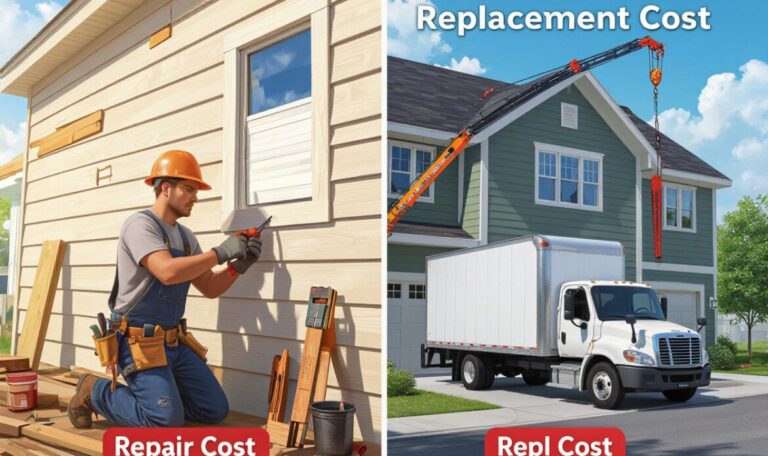
When it comes to replacing siding on a 2,000 sq ft house, several factors can influence the overall cost. Understanding these factors is crucial in budgeting for this home improvement project.
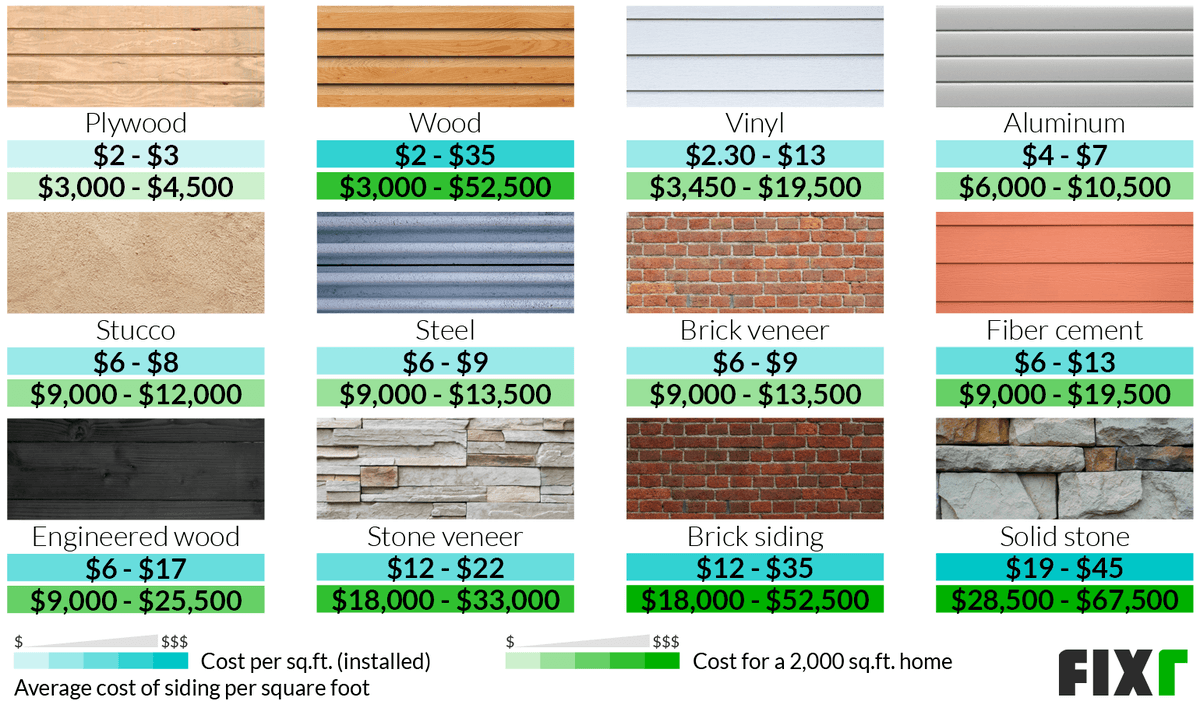
The quality of the siding material you choose will significantly impact the total cost of replacement. High-quality materials like fiber cement or engineered wood may come at a higher price point compared to vinyl or aluminum siding. While the initial cost might be higher, durable materials can save you money in the long run by reducing maintenance and replacement costs.
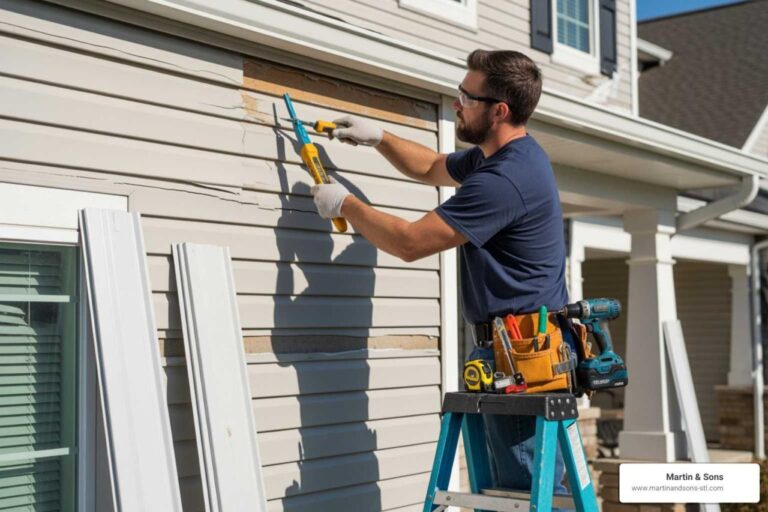
Labor costs play a significant role in the total expenses of siding replacement. The complexity of the installation process, the size of the crew needed, and the experience of the contractors can all affect labor costs. Inexperienced or specialized labor may charge more for their services, increasing the overall cost of the project.
The location of your house can also impact the cost of siding replacement. Factors such as local building codes, permit fees, and accessibility to the property can influence the total expenses. Houses located in remote areas or regions with strict building regulations may incur additional costs compared to properties in urban areas with easy access.
When it comes to replacing siding on a house, choosing the right material is crucial. Different siding materials come with varying costs, durability, maintenance requirements, and aesthetic appeal. Let’s compare and contrast some popular siding options based on these factors.
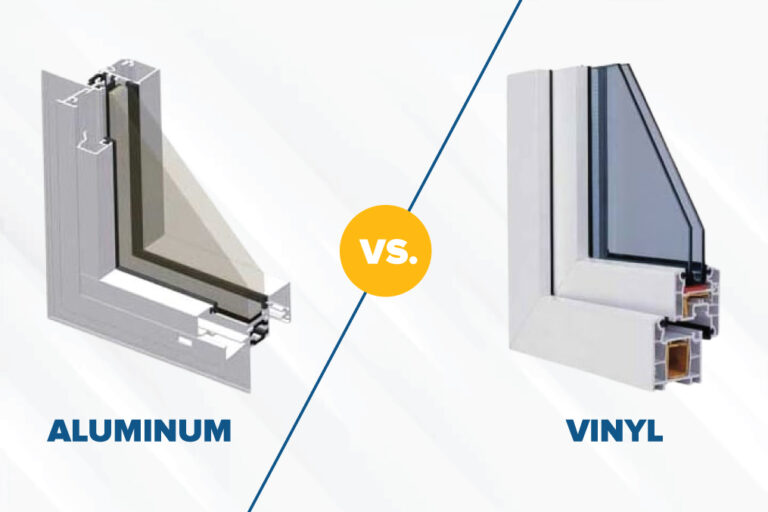
Vinyl siding is one of the most affordable options, with an average cost of $2 to $7 per square foot. It is known for its low maintenance requirements, as it does not need to be painted and is easy to clean.
However, vinyl siding may not be as durable as other materials and can crack or fade over time.
Wood siding provides a natural and timeless look to a house but comes at a higher cost of $5 to $10 per square foot. It requires regular maintenance, including painting or staining, to prevent rot and decay. While wood siding is durable, it is susceptible to moisture and insect damage.
Fiber cement siding offers the appearance of wood but with better durability and lower maintenance costs. It typically ranges from $5 to $12 per square foot. Fiber cement siding is resistant to fire, rot, and insects, making it a popular choice for homeowners looking for a balance between cost and longevity.
Metal siding, such as aluminum or steel, is a durable and low-maintenance option that can cost between $5 to $15 per square foot. It is resistant to fire, rot, and insects, but it may dent or scratch easily. Metal siding is known for its modern and industrial aesthetic appeal.

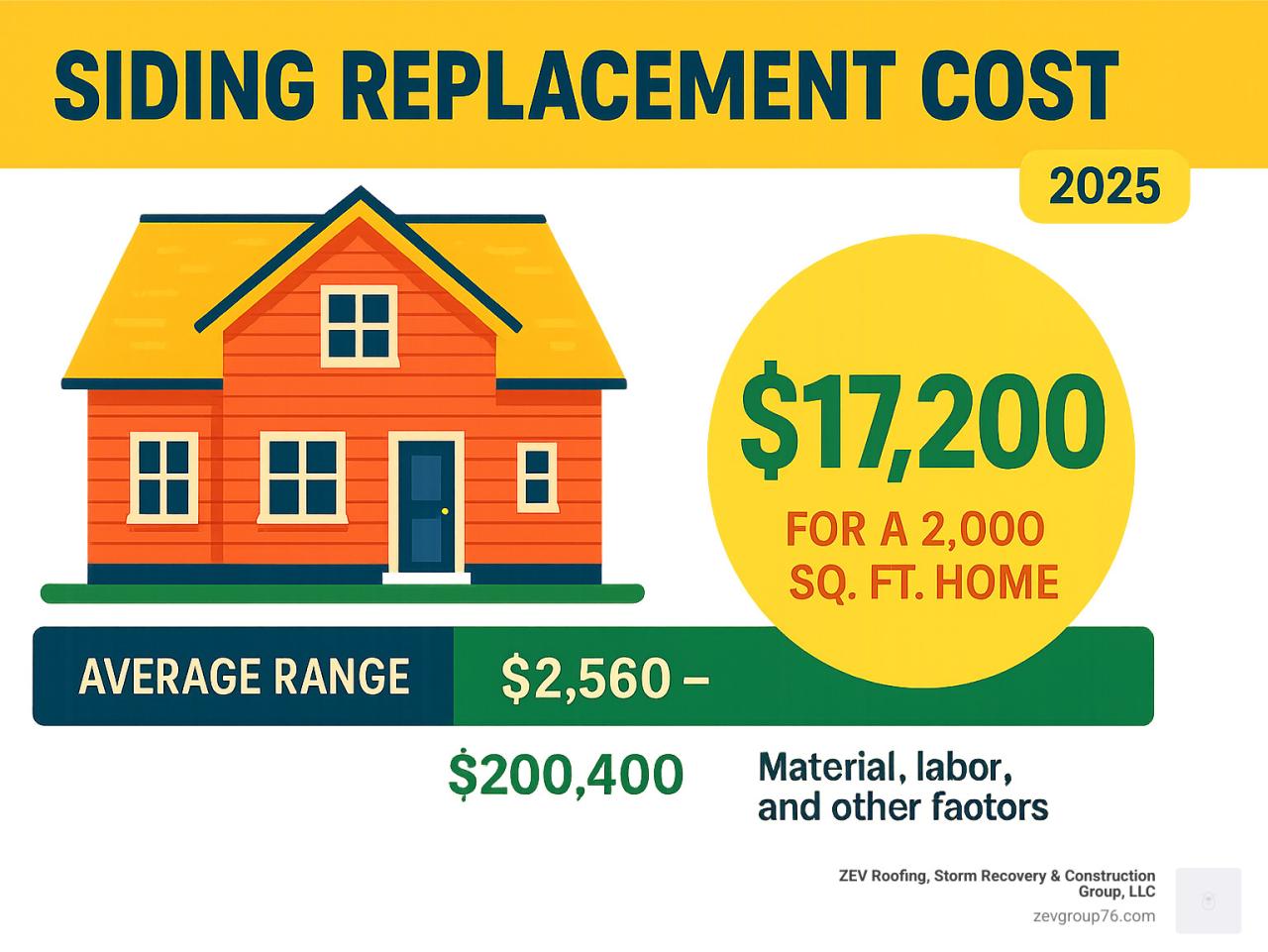
When it comes to replacing siding on a 2,000 sq ft house, the average cost can vary depending on several factors. Let’s break down the estimated costs per square foot for both materials and labor, and also discuss how opting for higher-priced materials can impact the resale value of the house.
Opting for higher-priced siding materials can potentially increase the resale value of a house.
High-quality and durable siding materials not only enhance the aesthetic appeal of a home but also improve its overall durability and energy efficiency. This can make the property more attractive to potential buyers, leading to a higher resale value in the long run.
When planning for siding replacement on a 2,000 sq ft house, it’s crucial to consider not only the material and labor costs but also the various additional expenses that may arise during the project. These costs can significantly impact your overall budget and should not be overlooked.One important factor to consider is the need for permits.
Depending on your location, you may be required to obtain permits for the siding replacement project. Permit costs can vary and should be factored into your budget from the beginning to avoid any surprises later on.Another cost to consider is the disposal of the old siding.
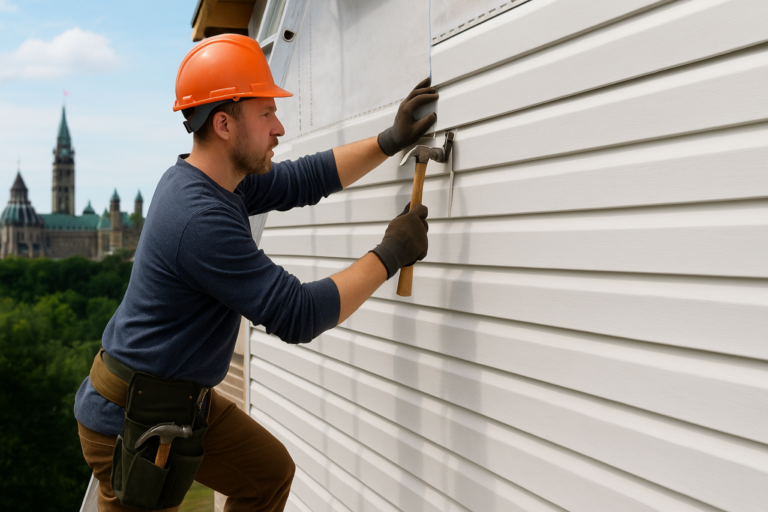
Whether you choose to hire a professional service or dispose of the old siding yourself, there will be associated costs. Make sure to account for this expense in your budget to ensure a smooth and efficient removal process.Lastly, structural repairs may be needed during the siding replacement process.
If any underlying issues are discovered, such as rot or damage to the exterior walls, these repairs can add to the overall cost of the project. It’s important to have a contingency fund set aside to cover any unforeseen repairs that may arise.
What factors can impact the cost of siding replacement?
Factors such as material quality, labor costs, and house location can significantly influence the total expenses of replacing siding on a 2,000 sq ft house.
What are the average cost estimates for siding replacement on a 2,000 sq ft house?
The average cost range for replacing siding on a 2,000 sq ft house varies, with costs per square foot for materials and labor factored in. Opting for higher-priced materials may impact the resale value of the house.
What additional costs should homeowners consider during siding replacement?
Homeowners should account for expenses like permits, disposal of old siding, and any necessary structural repairs when budgeting for siding replacement. Proper financial preparation can help manage unforeseen costs during the process.