Siding Repair vs Replacement: Which Option Is More Cost-Effective?
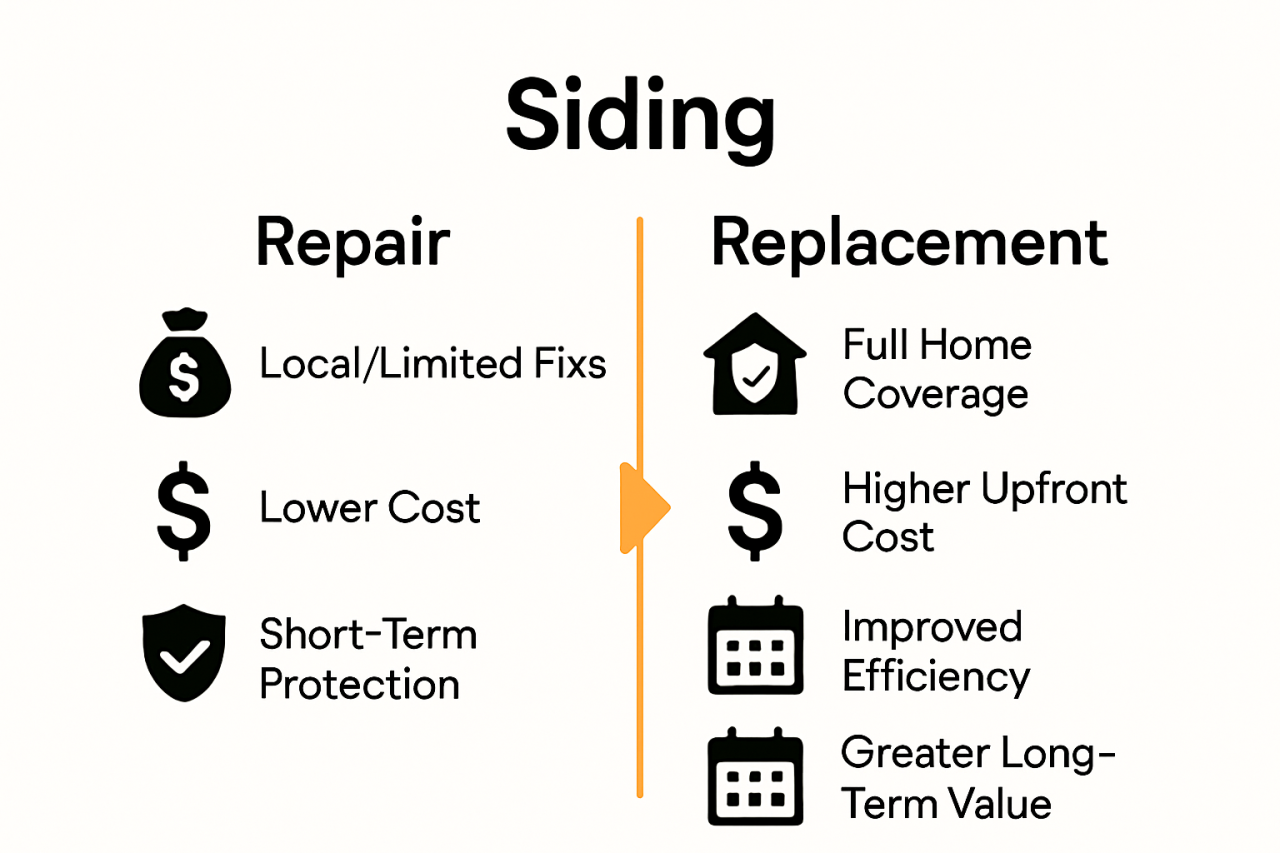
When considering siding repair or replacement, several factors can influence the overall cost. Understanding these factors is essential in making an informed decision about which option is more cost-effective for your specific situation.
The extent of damage to your siding will play a significant role in determining the cost of repair or replacement. Minor damage such as small cracks or holes can often be repaired at a lower cost compared to extensive damage that requires complete replacement of large sections of siding.
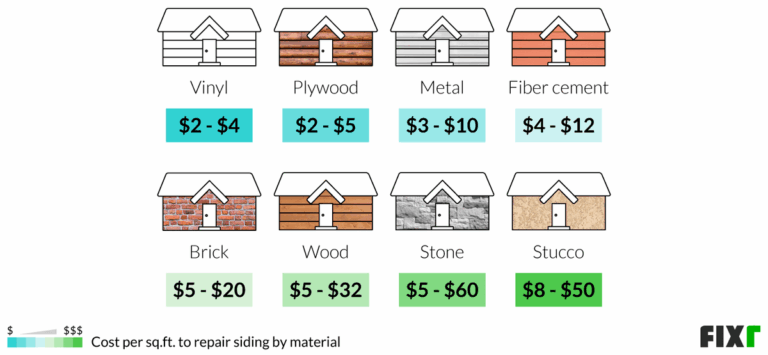
The type of material used for your siding can also impact the overall cost. Different materials have varying price points, with options like vinyl siding typically being more affordable compared to premium materials like cedar or fiber cement. The cost of materials will depend on the quality and durability of the siding chosen.
Labor costs for siding repair or replacement will depend on the complexity of the job, the size of your home, and the experience of the contractors hired. More intricate repairs or installations may require more time and labor, resulting in a higher overall cost.
Additionally, hiring reputable and experienced contractors may come at a higher price but can ensure a quality job.
Additional features such as trim work, insulation, or the need to replace underlying structures can add to the overall cost of siding repair or replacement. These extra components are essential for ensuring the longevity and efficiency of your siding but can contribute to a higher total cost.
The location of your home and the accessibility of the siding can impact the cost of repairs or replacement. Homes in remote areas or with challenging access points may incur additional fees for transportation or specialized equipment, increasing the overall cost of the project.
Obtaining necessary permits and ensuring compliance with local regulations can also influence the cost of siding repair or replacement. Failure to adhere to building codes or obtain required permits can result in fines or the need to redo work, adding unexpected costs to the project.
Considering the long-term maintenance costs of different siding options is essential when determining the overall cost-effectiveness. Some materials may require more frequent maintenance or repairs, leading to higher costs over time compared to more durable and low-maintenance options.
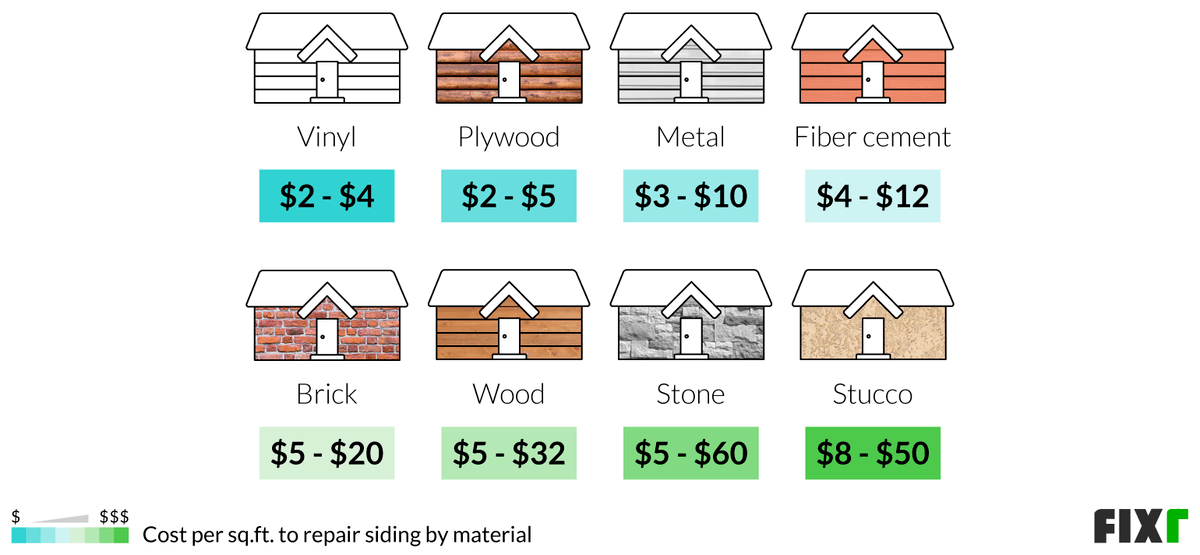
When it comes to siding repair, understanding the costs involved is crucial for making informed decisions. Let’s break down the typical costs associated with siding repair and explore how various factors can influence these costs.
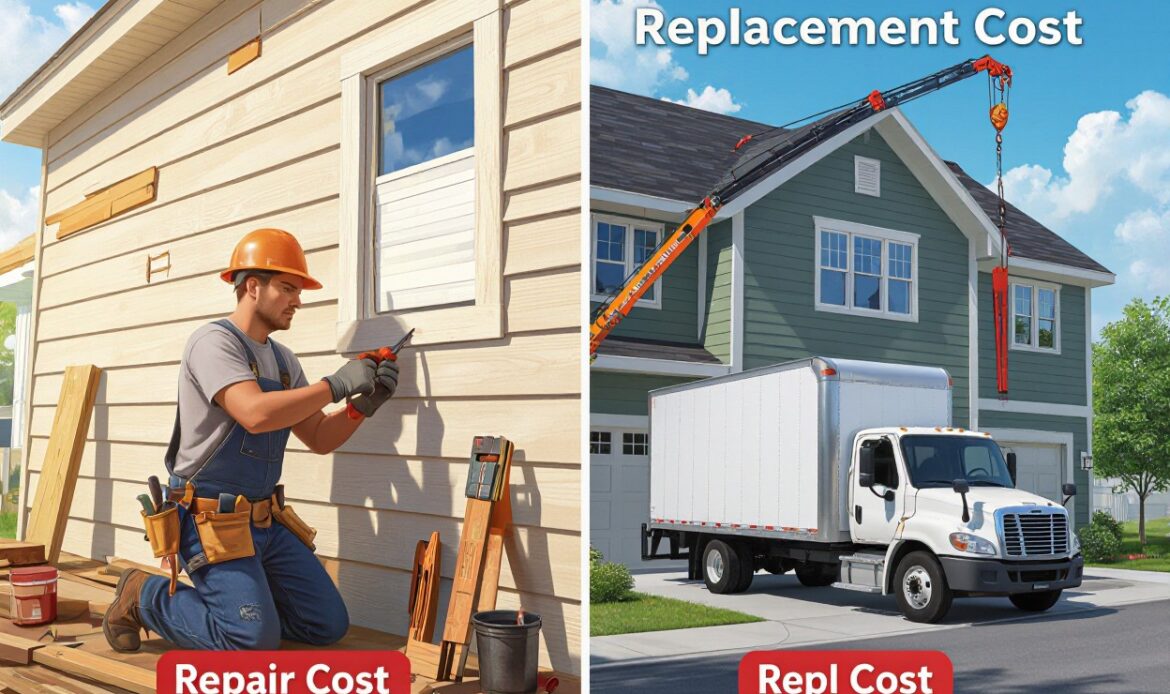
When it comes to siding replacement, there are several factors that contribute to the overall cost. Let’s break down the typical costs involved in siding replacement and explore how different types of siding materials can impact the cost.
When considering the long-term cost-effectiveness of siding repair versus replacement, various factors come into play. Factors such as maintenance requirements, durability, and energy efficiency can significantly impact the overall cost-effectiveness of each option. Let’s delve into these factors and explore scenarios where siding repair or replacement may be more cost-effective.
Maintenance plays a crucial role in determining the long-term cost-effectiveness of siding repair versus replacement. Siding that requires frequent repairs can add up in terms of costs over time. On the other hand, investing in new siding with minimal maintenance needs can save money in the long run.
Regular upkeep and inspections can also prolong the lifespan of siding, reducing the need for costly repairs.
The durability of siding materials is another important consideration when comparing long-term cost-effectiveness. High-quality siding that is durable and resistant to harsh weather conditions can last for decades without needing replacement. While initial replacement costs may be higher, the longevity of durable siding can make it a more cost-effective option in the long term compared to frequent repairs on less durable materials.
Energy-efficient siding can lead to cost savings on heating and cooling bills over time. Upgrading to energy-efficient siding during a replacement can result in reduced energy consumption and lower utility costs. While the upfront cost of energy-efficient siding may be higher, the long-term savings on energy bills can make it a more cost-effective choice compared to repairing older, less efficient siding.
In scenarios where the existing siding is in good condition but requires minor repairs, opting for repairs can be more cost-effective than a full replacement. However, if the siding is severely damaged, outdated, or inefficient, investing in a replacement may offer better long-term cost savings.
Consider factors like the age of the siding, extent of damage, and energy efficiency when deciding between repair and replacement options.
What factors influence the cost of siding repair and replacement?
Factors like material quality, labor costs, and extent of damage can impact the overall cost.
How do different types of siding materials affect the cost of replacement?
Materials like vinyl, wood, or fiber cement can vary in cost, affecting the total expenses of replacement.
In what scenarios might siding repair be more cost-effective than replacement?
If the damage is minor and the overall structure is in good condition, repair can be a more cost-effective option.
When is it advisable to opt for professional siding repair services over DIY?
For complex repairs or extensive damage, it’s recommended to go for professional services to ensure quality and long-term durability.
How can energy efficiency play a role in determining the cost-effectiveness of siding repair or replacement?
Energy-efficient materials or designs can lead to long-term cost savings, influencing the overall cost-effectiveness of the chosen option.